
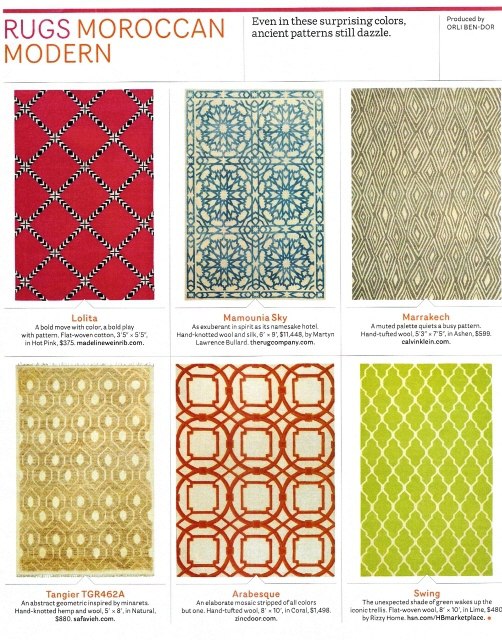
Moroccan style and design are hot themes. The June issue of House Beautiful featured a page of modern Moroccan rugs.
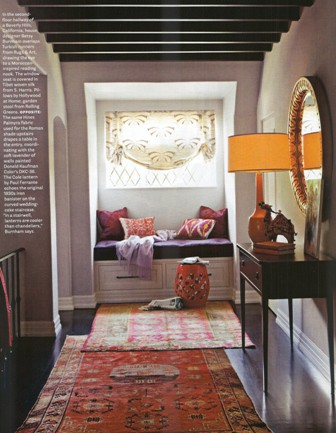
In the same issue, designer Betsy Burnham uses overlapping Turkish runners to draw the eye to a Moroccan inspired reading nook. The arched doorway, exposed wooden beamed ceiling and vibrant colors of window seat and accessories further enhance the theme.
Houzz has 4,528 articles on it. Wendy Schott recently did a Houzz ideabook which featured the latest source book, Marrakesh By Design, by Maryam Montague. How can I distill 250 pages down to 500 words or less? Like Maryam says in the preface, “Moroccan style is attainable yet exotic, practical yet mysterious, and a little splash of it goes a long, long way.” So I hope a splash of explanation will wet your appetite to read the book for the details.
Maryam explains that it’s essential to understand the country’s history and cultures to understand its design equation. Morocco has been invaded by Arabs, Berbers, Turks, Europeans, Vandals, Byzantines and Muslims so it’s a polyglot nation very similar to Tunisia and other north African countries.
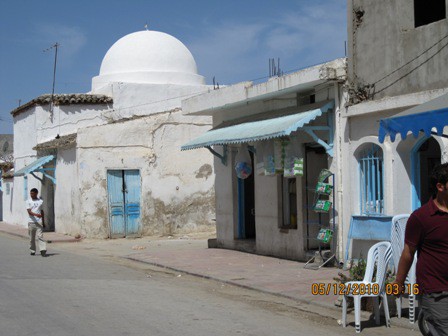
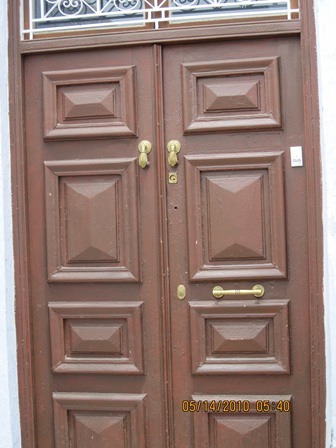
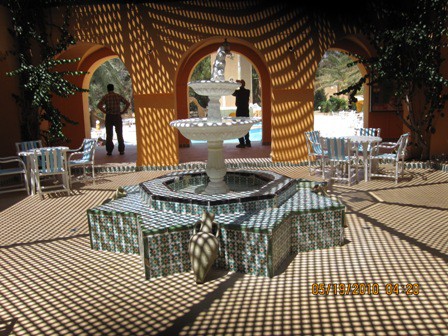
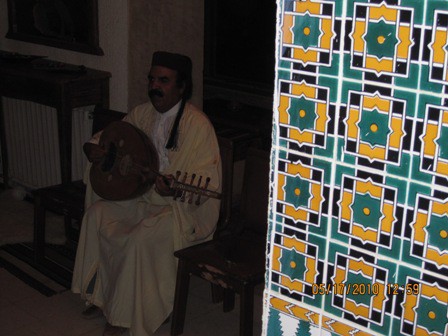
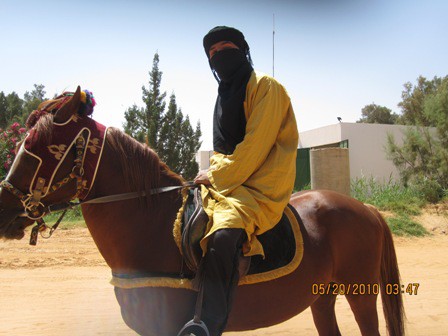
The book is divided into 3 sections: Part 1 is dedicated to architecture, Part 2 concentrates on interior and outdoor living spaces and the conclusion in Part 3 lists key shopping and design resources. All are peppered with beautiful illustrations. All of the photos in this blog were taken in Tunisia in 2010, but could just as easily been taken in Morocco.
In summery, buildings are filled with courtyards, domes, arches, and fountains. Surfaces are decorated, patterns and colors abound. The humble is mixed with the elegant, the plain with the ornate and simple materials are applied in intricate, complex fashion.
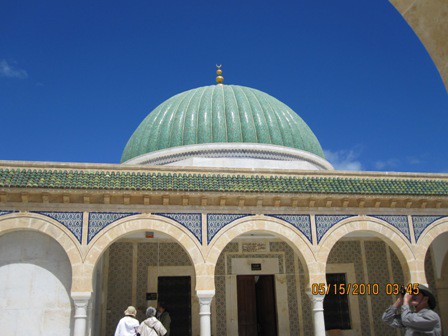
Montague admonishes not to neglect the ceilings and suggests wallpapering or stenciling them using plaster medallions, and crisscrossed wood strips. Casart Light would make a wallpaper installation a cinch and easier than stenciling, Michelangelo! Popular colors are blue, red, green, yellow, orange, black and beige. Blue is a favorite for doors to ward off the evil eye.
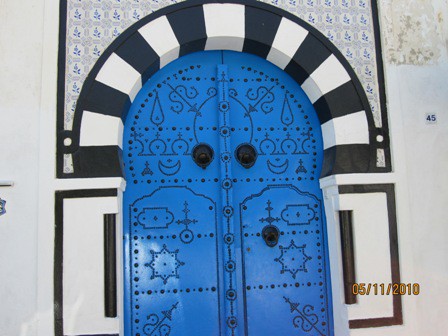
Different patterns are combined in the same room on floors, walls, ceilings, columns, doors, windows and furnishings. Sometimes it can be overwhelming! Following Islamic dictates, art may not depict people and animals because it was seen as competing with God’s perfect creation. Therefore, figurative art was replaced with geometric and floral patterns.
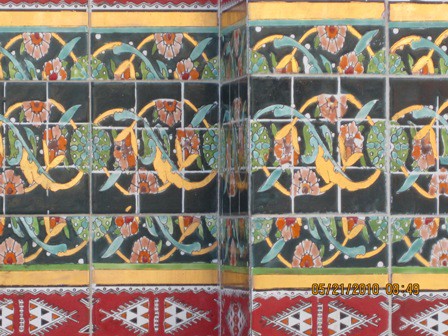
Maryam and her family live in a boutique guest house, Peacock Pavilions, (do take a look at this wonderful website) in an olive grove near Marrakesh. I did a blog post about it and Maryam’s blog, My Marrakesh, when Casart introduced our Peacock Patterns. Being resourceful and having all those olives and their oil, Maryam has included recipes for everything from furniture polish to hair and face masks in her book which concludes, “Last but not least, my appreciation goes out to the city of Marrakesh, which stole my heart years ago. It’s a love affair I’ve never regretted.”
The first time I visited Morocco, I was more focused on souk bargains, veiled women and mysterious men in flowing robes. I’ll be returning to Morocco on a cruise next October. This time I’ll be more aware of Moroccan design. Then again, perhaps not!
– Lorre Lei










Leave a Reply