
Have you noticed different forms of texture popping up in interior design room views in catalogs, magazines and even film? Well maybe it’s a prediction for 2016 that this is a time for texture.
What is texture exactly, you might ask?

You might think of texture of any surface that is rough to the touch but texture can be anything that has the visual appearance of a tactile surface.
Texture in interior design can be anything that compels you to reach out and touch. Surfaces with texture or the sense of texture command a lot of presence and with good reason — they engage the viewer.
If you Google “texture,” you’ll see sub categories that include pattern, symmetrical balance, color, light, space and asymmetrical balance. These are not your typical definitions of texture but go along way to explain how encompassing the definition can be.

FreshHome writes a great article on the importance of texture explaining that even if a room has all the right design components in place, “Texture is the thing that makes a room pop. It’s what brings a perfectly fine design up to enviable levels.”
Painting the wall with a decorative finish is just one beautiful way to get visual impact with texture.

You can get a similar effect with Wallfinsh wallcovering that mimics decorative painting but is less laborious and allows you to remove and reuse elsewhere when you want.

This teal-green, faux bois room by Nina Farmer in House Beautiful October 2015 creates the illusion of wood-grain texture using smooth wallpaper. In addition, your attention is piqued because the color is so unexpected and non-traditionally used for wood.
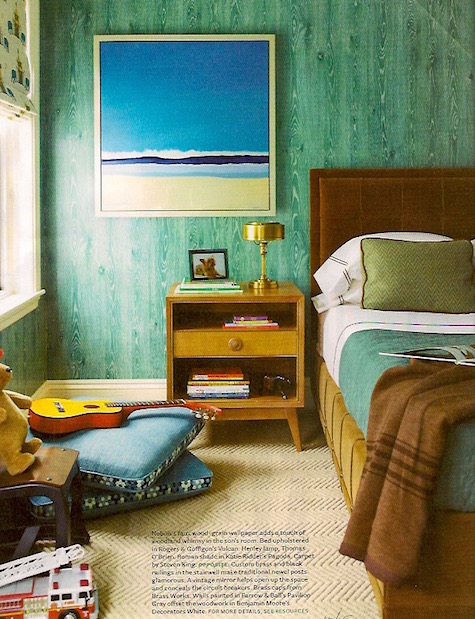
Casart coverings likes unusual colors for wood as well, seen in our Faux Bois temporary wallpaper.

Rather than rough, another traditional texture is soft. Jennifer Kopf writes that texture is the #2 trend and adds a modern twist to a 60’s comeback in her article 6 Home Trends Heading Your Way in ’16 for Lancaster Online
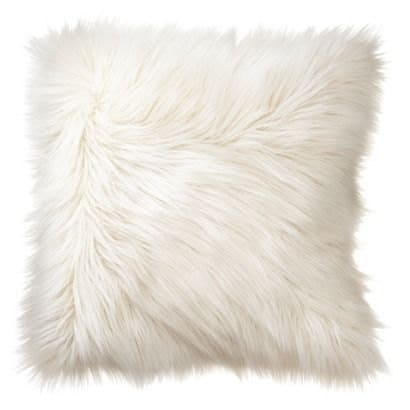
If you’re watching the new season of American Crime on ABC, you’ll notice that the interior of the LaCroix home is set with plush soft materials like a shag carpet and soft cushions. This updates a 1970’s look with a completely modern feel.

As seen in this interior design example below, Lindsay Lang uses both examples of wood and a soft carpet pattern to create modern texture with a warm feel even with cool spectrum colors.

No matter how you use textures in a room, have fun with it!
Texture can help create interest and a visual statement. This wall, for instance, fools the eye thinking it is padded but it’s faux padded wallpaper and completely flat to the touch but gives the illusion of dimension. You definitely feel compelled to reach out and touch just to make sure!










Leave a Reply