
I love reading all the design magazines when I have time. With last weekend being a long one, I made time to play catch-up. Here’s what I learned.
About wallcovering:
Designer Meg Braff in Coastal Living when asked if you should use replied, “Do! It’s a great opportunity to add personality and make a statement without overwhelming the whole house. I use raffia wallcoverings to add warmth to rooms where there is a lot of glass and wood.”
We don’t have raffia, but we do have a raw silk that even includes a natural line.
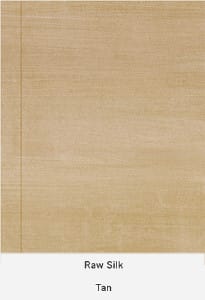
Or perhaps try a Faux linen. The good thing is, you can take it down and put it back up seasonally or whenever you wish.
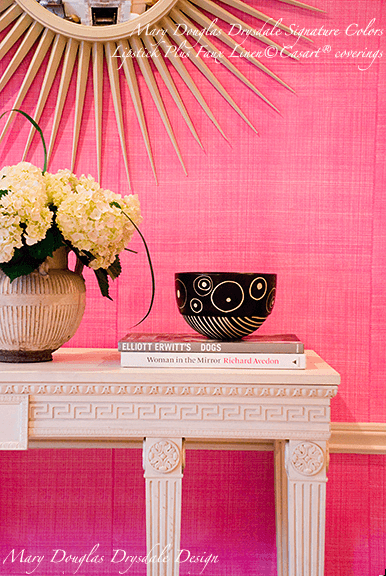
Michelle Garner, marketing coordinator at Harry C. Garner Contractor, Inc. says, “Today’s wallcoverings are a refreshing change to painted walls. Not only can wallcoverins be used to add multidimensional color to walls, it can also be used to add a variety of textures to walls and make drab walls look new and vibrant. Unlike paint, wallcoverings give you the option to have a reproduction of art in your home with a fraction of the cost. If you hav not yet tried the versatility of wallcovering, maybe it is time to look into the past to give your home a more colorful and textured outlook for the future.”
We’ve just added Tuscan Spring to the Katherine Collection from an original pastel. It was featured in Monday’s post, so here’s another of Katherine’s works that can be yours.

Amber Furst in Coastal Living had this suggestion for lining a bookcase with leftover wallpaper.
- Remove the shelves
- Measure the back wall of the case, measure each section if shelves aren’t removable
- Cut the wallpaper to exact measurement of back wall and place it in dry to make sure it fits.
- Coat the back of paper with wallpaper paste, using a roller brush
- Press the paper onto the surface, matching one corner of paper to each corner of the bookcase.
- Wipe excess glue from the edges immediately with a damp sponge.
- When paper is exactly where you want it, press with a soft sponge, starting from the center of the paper and working out to the edges, to smooth any bubbles.
- Allow one day to dry then replace shelves and add books and objects.
Or, you could use Casart repositionable, removable and reusable wallcovering instead. You have many designs from which to choose.
Follow steps 1 through 3 above.
4. Remove backing sheets from cut pieces, and press the paper onto the surface, matching one corner of paper to each corner of the bookcase.
5. Starting from center, use your hands to smooth out any bubbles.
6. Replace shelves and books.


In House Beautiful, Jen Renzi interviewed designers about the power of black, beginning the article with the premise that “to add glamour-or gravitas-to any room, a dash of black is all you need.”
Ghislaine Vinas-“In an all-cream living room, we added three black items: a Tom Dixon screw-top table with a black base, pillows with black backs, and a life-size black horse. Those touches gave the space some weight.”
We’ve got the pillow-thing covered!
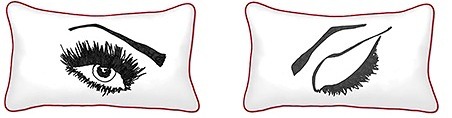
With the Casart Decor Eye pillows, you can achieve 4 different looks with 2 pillows: both opened, both closed, a wink from the left, or a wink from the right.

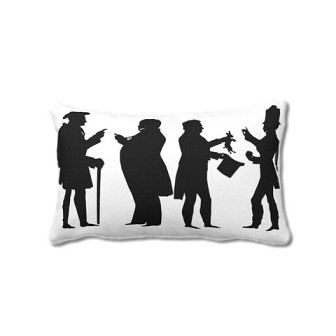
David Mann-“It’s dramatic. I’m currently doing an apartment with a balance of black and white walls-the black walls recede and dissolve and create the impression that the white walls are floating.”
Can’t provide the pure black, but can provide the combination of black and white-both with birds.


Vern Yip offered a helpful article in HGTV magazine titled Design by the Numbers. Here are a few that I counted as important.
Backsplash-16-18 “ Make this the measurement between countertops and upper cabinets or shelves, giving plenty of room to catch and whipe up cooking splashes.
If you are renting or don’t want to commit to the expense of tile, we have a suggestion-faux glass mosaic tile or one of the faux tile designs from MoRocAnSoul by Amy Finkle. The above tortoise shell, crab net or monkey knot from the Karen Robinson Collection also are available in backsplash size and are currently on sale.


48 “ is the standard headboard height from floor to top edge., leaving about 24 inches from the top of the mattress to the top of the headboard.
Our faux padded headboard is something to think about sending your college students off to school with to personalize their space. And now you know how high it should be from the floor.

– Lorre Lei










Leave a Reply