
Many thanks to Evelyn Long for her article, Let it Snow with these Winter Heating Hacks. Be sure to read Evelyn’s bio at the bottom.
– – – – – – – – – – – –

Your home should feel like a warm, inviting space, not a drafty shell, especially when the temperature drops. The good news is that keeping cozy this winter doesn’t mean cranking up the thermostat. You can warm up your space, save energy and make your interiors feel more inviting with a few minor design changes and upgrades. Here’s how.
1. Rearrange Your Space for Better Heat Flow

Moving your furniture around is one of the easiest ways to warm up your home. It might not sound glamorous, but it makes a noticeable difference. If your couch or large furniture pieces are positioned in front of the vent or heater, they’re trapping the warmth instead of circulating it throughout the room.
Pull furniture a few inches from heating sources and ensure nothing blocks your HVAC vents. The goal is to let air move freely. You should also avoid placing a rug over radiant floor heating, as this can interfere with its effectiveness.
2. Layer Your Windows and Outfits

Resource: Casart Curtains Neutral Stripes
Windows are one of the biggest obstacles that cause heating loss, but they’re also quite easy to fix. Simply swap your lightweight summer curtains for heavier, blackout curtains that trap warm air inside and keep the cold out.
A dense, woven polyester curtain fills the window pane, blocks light and acts as a thermal guard, ensuring noise, light and cold stay outside. You can even layer with a sheer panel behind the blackout, which lets you control how much light you let in during warmer days and how much to block when it’s colder in the afternoon and evening. Set a schedule to open and close windows to manage heat exchange.
Amp up your resilience to temperatures with a few snuggly jerseys and a toasty comforter on your bed or sofa. It adds extra layers as an efficient winter heating hack, so you don’t have to heat the whole room just to feel warm. A high-quality comforter with a lightweight yet fluffy polyester fill will keep you warm throughout the day and night.
3. Keep the Heat in the Envelope

Your building envelope is how resilient your rooms are to losing heat and letting cold air in. Cracks around windows and hardware, such as pipes and electrical outlets, can turn your home into a sieve, costing you both comfort and money.
Losing heat through the opaque building sections like walls, the roof and flooring affects 28% of your energy use, increasing your utility costs. With utilities already rising by an average of 13%, sealing your energy envelope should be a priority.
Check for air leaks with an infrared thermometer or scanner. You can even use a lighter along doors, electrical sockets and pipework to show you whether air seeps in or out. Tighten up these spaces with weather stripping or a caulking gun.
4. Reverse and Reflect

Ceiling fans work in winter too, especially if you reverse the direction so it draws cool air upward and pushes warmer air down. A clockwise rotation at a slow speed can increase the temperature. Place reflective insulation behind your wall radiators to redirect heat into the room, rather than letting it escape through the window or the cold wall behind it.
Alternatively, place a tapestry or wall hanging just above heaters and radiators, letting the fabric absorb heat and radiate it gradually while also preventing cold walls from stealing warmth. A bold, floral tapestry will enhance the overall warmth and make the space feel cozy. Look for a polyester or chenille tapestry for added insulation. You can also pad it more with a layer of foam behind it.
5. Smart Tech and Solar Smarts

When it comes to heating efficiently, technology can help more than you think. Smart thermostats are a fantastic upgrade. They learn your daily patterns and adjust heating automatically. It wastes less energy while providing consistent comfort.
You can also take your efficiency a step further by embracing solar roofing. Solar panels charge batteries by converting sunlight into usable energy. Running your home off battery power at night reduces reliance on grid power and can lower your utility bills, even in colder months.
6. Insulate Walls and Floors

Resource: Casart Sky Stripes Wallpaper
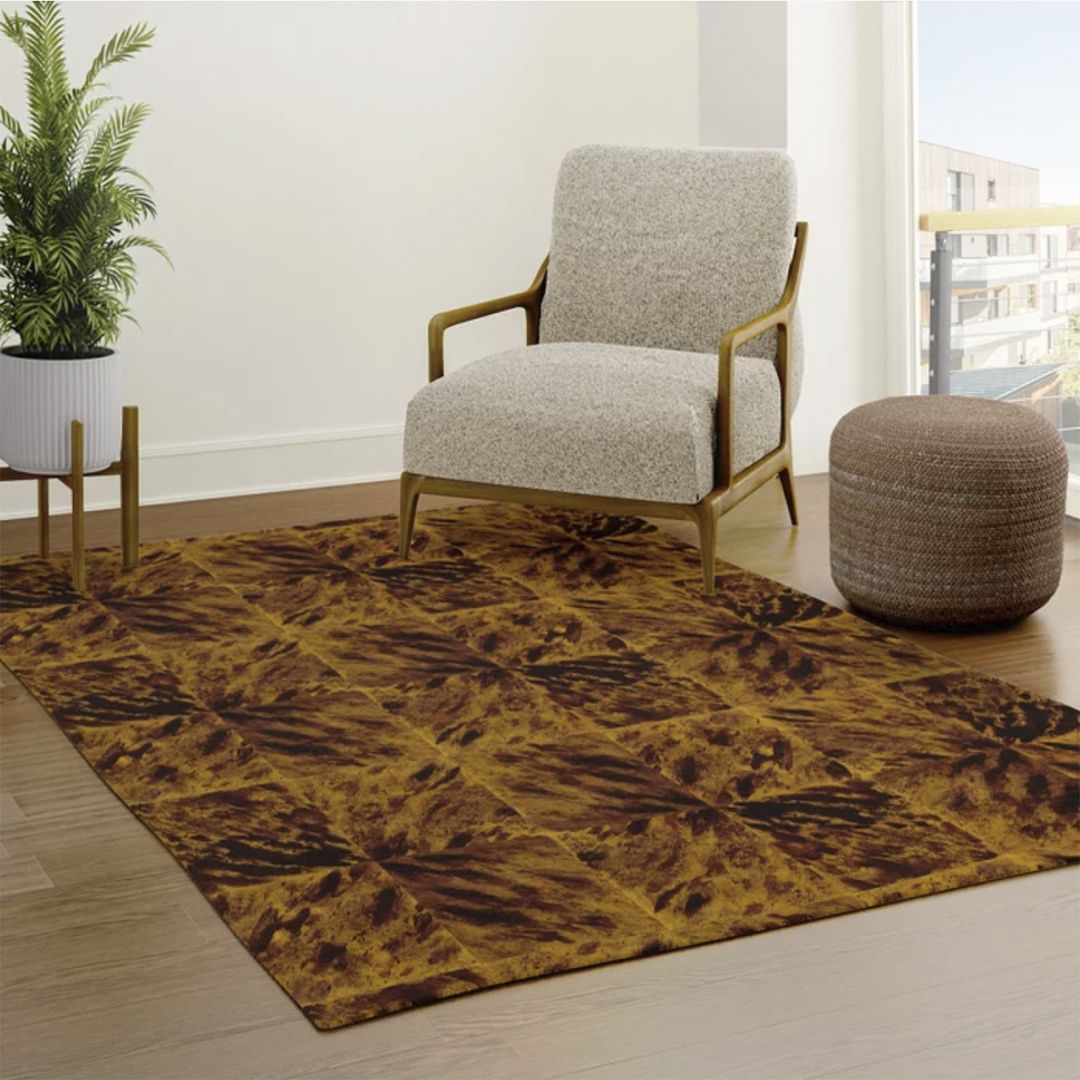
Resource: Casart Decor Rug – Faux Tortoiseshell 2 Natural Design
When you’re cold, adding layers helps, and the same principle applies to your residence. Covering bare walls with insulated wallpaper is an effective way to retain warmth and reduce cold air infiltration. Adding a self-adhesive product with a peaceful design increases your property’s value and makes your rooms more inviting and insulated.
Further improve the overall thermal profile by laying thick chenille carpets on the floor, targeting areas where there’s less underfloor heating.
7. Bake for Heat

Simple hacks, such as leaving the oven door open while it cools, add a thermal boost to your kitchen and surrounding living areas. The same principle applies to taking a shower and letting the moist steam out through the door, rather than using an extraction fan, which helps raise indoor temperatures and humidity.
Think of each accent as part of a toolkit — versatile, reusable and easy to refresh. This approach allows your home to evolve with the seasons without feeling temporary or wasteful.
8. Dress Your Doors

Doors tend to slide just above ground level, which means there’s a gap where air can enter or leave. Place a rolled towel or a door insulation strip at the bottom to prevent this gap from letting your hard-won heat escape. If you’re unsure whether your door is leaking heat, you can test it with a lighter near the line where it contacts the floor. Check if the flame reacts to a draft and take action to rectify this issue.
9. Close Off Surrounding Spaces

A smart thermostat will automatically read whether a space is in use and adjust the temperature accordingly. However, closing doors leading to unused rooms like guest rooms, the study, the mudroom and enclosed porches will further help you control how much heat moves from your lived-in spaces to unused areas.
A final winter heating tip is to close off the fireplace flue with an inflatable rubber plug or plate if it’s not in use. A fireplace in use loses 90% of the heat out the flue, so imagine how much heat your unused hearth is siphoning to the roof and out.
Comfort & Creativity
Keeping your home warm this winter means taking action beyond raising the thermostat. It’s essential to design a space that feels both comfortable and practical. Every detail, from the curtains and carpets to the placement of your furniture and the efficiency of your solar panels, contributes to your overall heat profile.
So let it snow. With the right mix of cozy design and clever hacks, you can enjoy this winter in style without a high utility bill.
_ _ _ _ _ _ _ _ _ _ _ _ _ _ _
Additional posts & resources:
- How to Create a Cozy Winter Wonderland Retreat for Cold Days
- 12 Ways to Embrace a Warmer Interior This Winter
- We’re Falling for These 6 Trends That Create a Warm & Inviting Space
- Designs that Brighten the Winter Blues
- Reflecting to Become More Grateful This Season
Many thanks to Evelyn for her insightful article.

About the author:
Evelyn Long is an interior design expert who uses emerging trends to help every homeowner discover their perfect style. Her work, regularly published in the National Association of Realtors, I+S, and DecorMatters, offers readers actionable tips for blending the latest looks with their personal taste. As editor in chief of Renovated Magazine, Evelyn is committed to making great design accessible and tailored to every individual.










Leave a Reply